English
.webp?width=18&height=18&name=Vector%20(15).webp)

About The Video
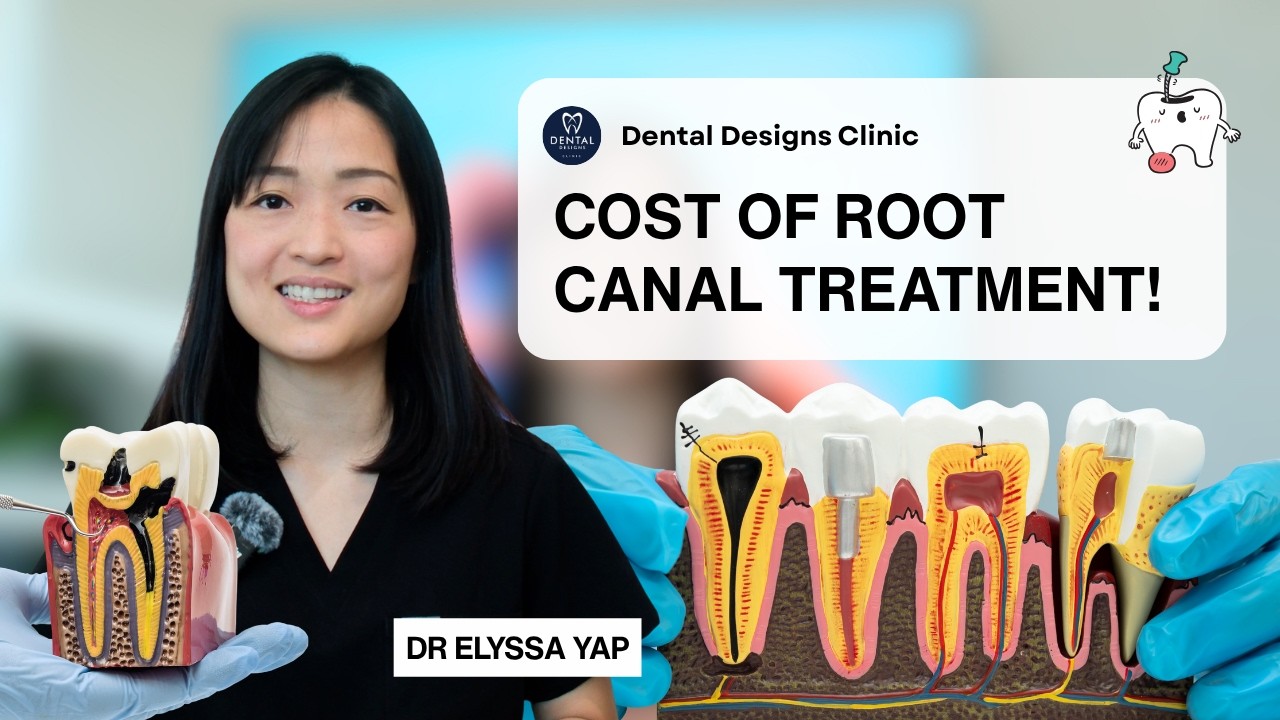
This video features Dr Elyssa discussing why a previously treated tooth may still cause pain and what root canal retreatment involves. She explains how persistent bacteria, missed canals, loose crowns, decay or cracks can lead to reinfection. She describes the diagnostic steps taken to determine whether a tooth is suitable for retreatment.
Dr Elyssa also shares how specialised tools, microscopes and refined techniques allow her to clean and disinfect the canals thoroughly before sealing the tooth again. She emphasises patient comfort, highlighting the use of effective local anaesthesia, calming options and a relaxed treatment environment. Her goal is to help patients understand that early intervention offers a better chance of preserving their natural tooth.
Root canal retreatment is performed when a tooth remains painful or shows signs of infection after an earlier root canal procedure. Dr Elyssa explains that the most common cause is lingering bacteria, often hidden in fine spaces or canals that were not previously located. Reinfection can also occur when a filling becomes leaky, a crown loosens or a crack allows bacteria back into the tooth. Retreatment begins with a careful diagnosis using clinical examination and X-rays, followed by the removal of old fillings, thorough disinfection and sealing of the canals. With modern microscopes and fine instruments, specialists can navigate complex anatomy more accurately.
Patient comfort is prioritised through effective anaesthesia and calming support for anxious individuals. Dr Elyssa highlights the importance of seeking early care, as prolonged discomfort often signals that the tooth needs attention. Timely retreatment increases the likelihood of saving the tooth and preventing further complications.