English
.webp?width=18&height=18&name=Vector%20(15).webp)

About The Video
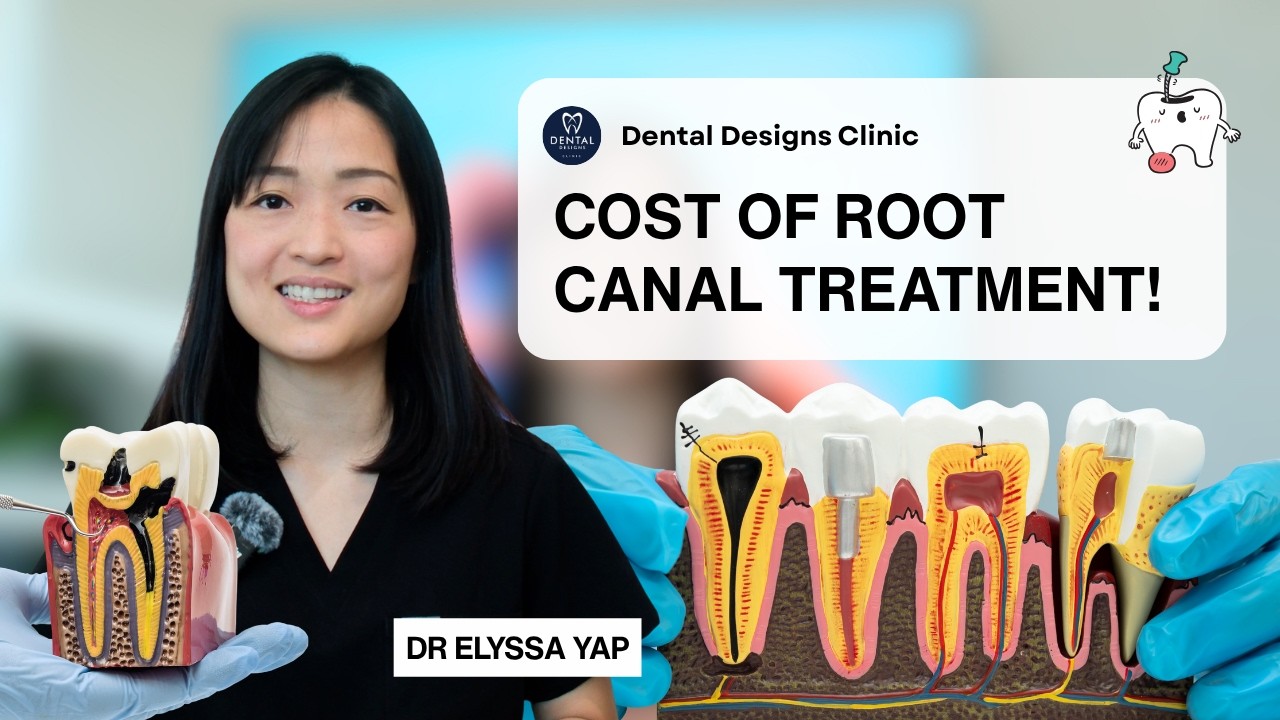
In this video, Dr Elyssa from Dental Designs Clinic discusses the two main stages of root canal treatment, cleaning and shaping, followed by filling and sealing, and explains what it means when both stages are completed in one appointment. She explains the key advantages of single-visit treatment, including greater convenience, reduced anxiety and a lower risk of contamination between appointments.
She outlines the clinical factors that determine whether a patient is suitable for a single visit, including the extent of infection, the condition of the nerve and the complexity of the tooth's canal system. She also explains why some cases require multiple visits, particularly when a larger abscess, persistent drainage or retreatment is involved. She references the Cochrane Systematic Review 2022 and encourages patients to discuss their individual situation with their dentist to determine the most appropriate approach.
This video addresses common questions about root canal appointments by explaining the clinical reasoning behind single-visit and multi-visit treatment decisions. Dr Elyssa clarifies that single-visit treatment is most appropriate when the infection is localised, the nerve is still alive, the tooth has a straightforward canal system and the patient can cooperate for a longer session. Research from the Cochrane Systematic Review 2022 has shown no clear difference in long-term healing outcomes between the two approaches.
She also highlights that cases involving large abscesses, persistent pus drainage, calcified or complex canals, or the retreatment of a previously treated tooth are more likely to require additional visits, as thorough disinfection takes time. The decision is guided by clinical judgement rather than a fixed rule, and each case is assessed individually. Her explanation encourages patients to focus on the goal of preserving their natural tooth and to trust their dentist's recommendation when planning the right course of treatment.